
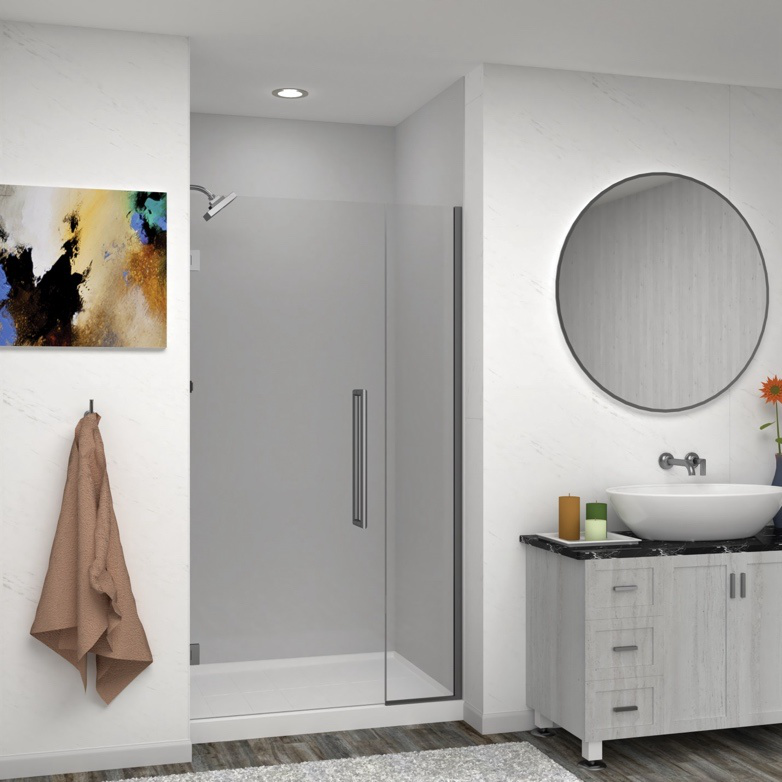
Have you ever stepped into your bathtub and wondered why it no longer fits the way you live? Bathroom updates remain one of the most requested home improvement projects because outdated tubs often limit comfort, safety, and everyday use. Many homeowners reach a point where the tub feels more like an obstacle than a feature. That is where a well planned tub to shower conversion comes into the picture.
At Bath Replacers, we regularly work with homeowners who want practical shower conversions that improve daily routines without overcomplicating the renovation.
This article explains what happens behind the walls during a tub removal, why planning matters, and how professional installation supports long term performance.
Why Tub to Shower Conversions Are So Popular
Changing a tub into a shower is often about usability. Showers take up less visual space, feel easier to enter, and align better with modern habits. While the result looks simple on the surface, the work involves several layers of preparation that are not visible once the walls are closed.
Common reasons homeowners consider converting a tub include:
- Difficulty stepping over a high tub wall
- Water damage or aging materials around the tub
- Limited floor space in the bathroom
- A desire for a cleaner and more functional layout
A successful conversion depends on addressing these concerns properly during the planning phase.
Understanding Plumbing Adjustments
One of the first changes happens within the plumbing system. Bathtubs and showers use different drain placements and water flow requirements. In many cases, the existing drain must be relocated to align with a shower base. Supply lines may also need repositioning to match the new valve and showerhead height.
Key plumbing factors include:
- Drain location and slope for proper water flow
- Valve replacement to meet current standards
- Pipe condition behind the walls
Skipping these steps can lead to drainage issues or leaks that only appear months later. This is why professional assessment matters before any demolition begins.
What Waterproofing Really Involves
Waterproofing is one of the most important parts of bathroom shower conversions, yet it is often misunderstood. A shower generates constant moisture, and without proper barriers, water can seep into wall cavities and flooring.
Effective waterproofing includes:
- Installing moisture resistant backer boards
- Sealing seams and corners with approved membranes
- Properly flashing around plumbing penetrations
These layers work together to protect the structure of the home. Tile and grout alone are not enough to stop water infiltration.
Choosing the Right Shower Base and Wall Materials

Material selection affects durability, maintenance, and appearance. Shower bases must be level, securely supported, and compatible with the drain system. Walls should resist moisture and remain stable over time.
Common options homeowners consider include:
- Solid surface shower surrounds
- Tile installations with sealed grout lines
- Mold resistant wall panels
Each option has different upkeep requirements. Selecting materials that fit your lifestyle helps reduce ongoing maintenance and unexpected repairs.
Space Planning and Layout Changes
Removing a tub can open up valuable floor space, but the layout still requires careful planning. Door swing, shower entry width, and fixture placement all influence how the room functions.
When planning to convert a bathtub to a walk in shower, considerations often include:
- Entry clearance for comfortable access
- Shelf or niche placement for storage
- Proper slope toward the drain
These details affect everyday comfort more than decorative choices.
What Happens Behind the Walls
Once the tub is removed, installers often discover issues that were hidden for years. Old plumbing, damaged studs, or outdated materials may need replacement before the new shower can be installed.
Behind the wall work often involves:
- Repairing water damaged framing
- Updating insulation
- Securing new backing for wall panels
Addressing these items during the conversion helps prevent future problems that could otherwise require major repairs.
Why Professional Installation Matters
Shower remodeling involves coordination between plumbing, carpentry, and waterproofing. A professional team understands how these systems work together. This reduces the risk of mistakes that can shorten the lifespan of the new shower.
Professional installation supports:
- Code compliant plumbing connections
- Proper sealing and moisture control
- Clean and secure finishing
For homeowners planning shower remodeling in Port Chester, working with an experienced contractor ensures the project stays focused on performance rather than quick fixes.
Planning for Long Term Use
A tub to shower conversion should serve your household for many years. Thinking ahead about comfort, cleaning, and durability makes a noticeable difference over time.
Helpful planning steps include:
- Choosing surfaces that clean easily
- Allowing space for future accessibility needs
- Selecting fixtures that match water pressure and usage habits
These decisions support a bathroom that remains functional as needs change.
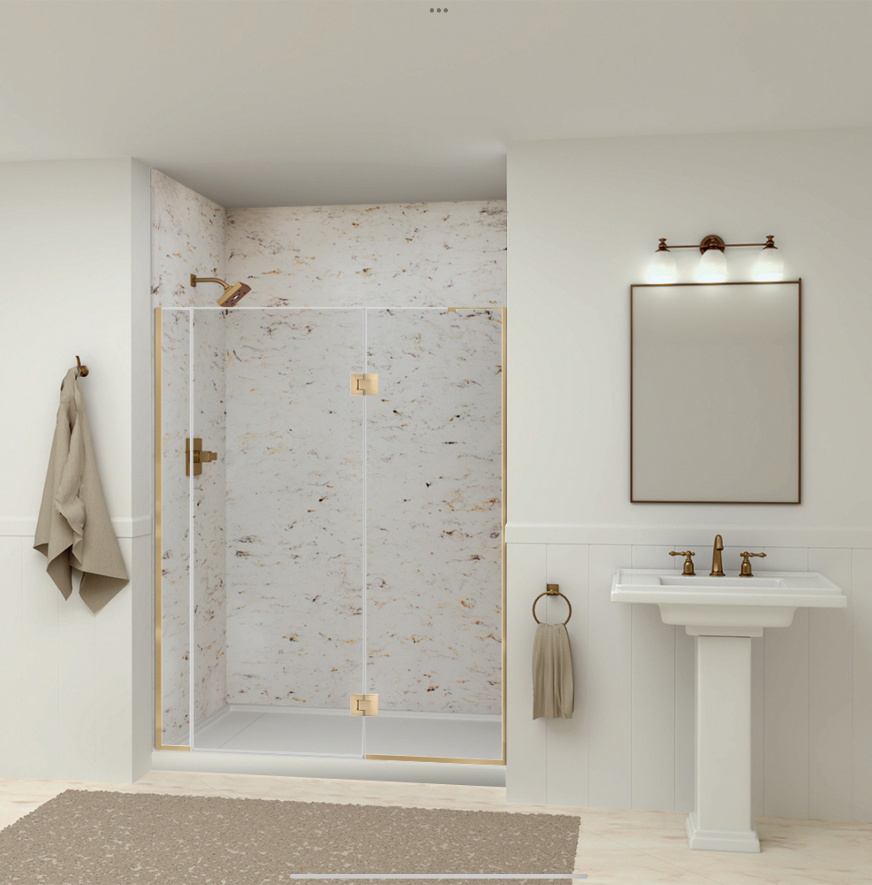
Ready for a Shower That Works Better Every Day?
What would it feel like to step into a shower designed around how you actually use your bathroom? At Bath Replacers, we focus on practical bathtub to shower conversion projects that improve comfort and reliability without unnecessary complications.
Our team handles plumbing updates, waterproofing, and installation with attention to detail that protects your home long after the project is complete.
If you are considering bathroom shower conversions or planning to convert a bathtub to a walk in shower, we are ready to help you understand your options and move forward with confidence.
