
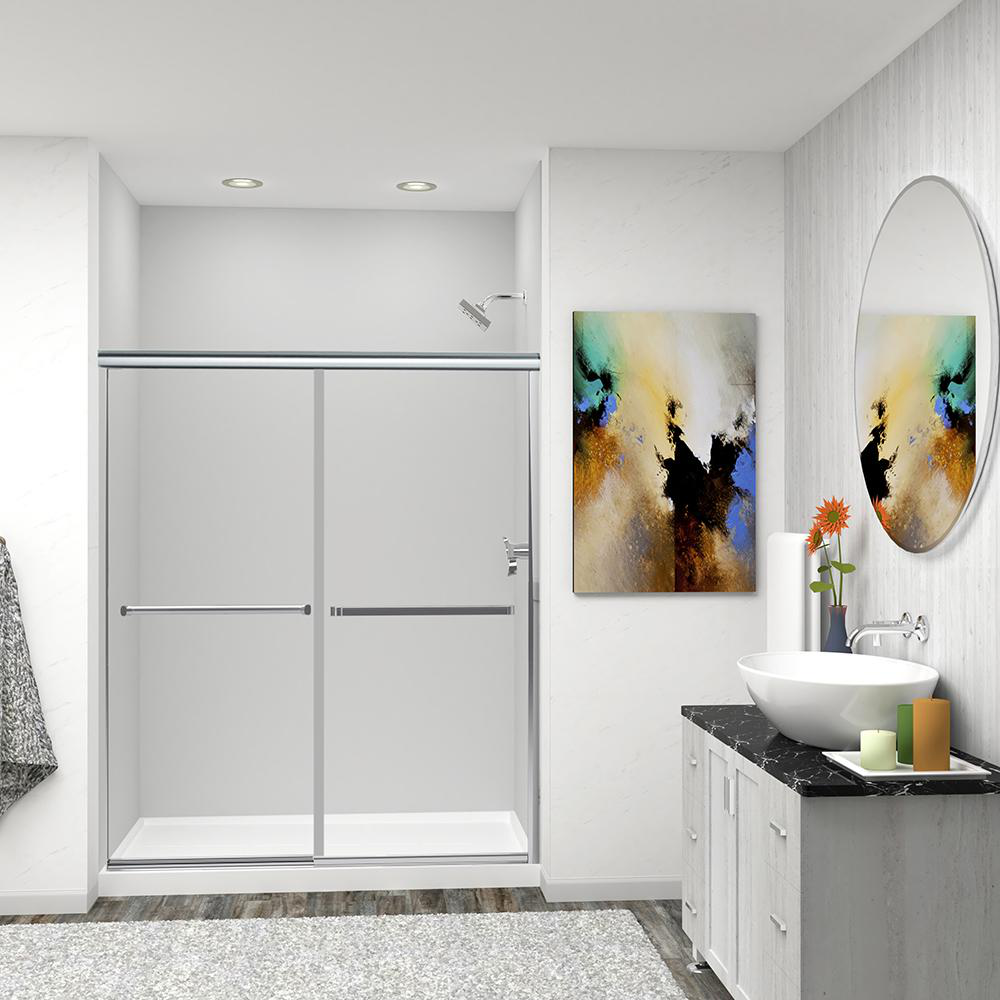
Have you ever wondered why so many bathroom injuries happen in a space meant for daily comfort? According to widely cited safety data, a large share of household falls occur in bathrooms, often caused by slippery surfaces, high tub walls, and limited support.
For many homeowners, these risks grow with age, mobility changes, or recovery from injury. We see this concern every day, which is why safer, more accessible bathrooms have become a priority rather than a luxury.
At Bath Replacers, we help homeowners rethink how their bathrooms function without turning them into clinical spaces. By focusing on walk in tubs, barrier free showers, and practical safety features, we provide solutions that support long term comfort and usability.
In this guide, we explain how walk in tub remodeling, tub to shower conversions, and accessibility focused upgrades can reduce risk while keeping bathrooms comfortable and attractive.
Why Accessible Bathrooms Matter More Than Ever
Bathrooms combine water, smooth surfaces, and tight spaces. That combination increases the chance of slips and strains, especially when stepping over a high tub edge or balancing on one foot. Accessible bathrooms reduce these hazards by improving how people enter, move within, and exit the bathing area.
Common reasons homeowners consider accessibility focused remodeling include:
- Aging in place plans that prioritize safety
- Temporary or permanent mobility limitations
- Households with multigenerational needs
- Recovery after surgery or injury
Addressing these concerns early can help prevent accidents and reduce stress for everyone in the home.
Walk In Tubs for Secure and Comfortable Bathing
Walk in tubs are designed to remove the challenge of stepping over a tall tub wall. With a low threshold entry and built in seating, they allow users to bathe while seated rather than standing on a slick surface.
Key benefits of walk in tub remodeling include:
- Low entry doors that reduce tripping risk
- Integrated seating for stable support
- Slip resistant flooring inside the tub
- Handrails positioned for safe entry and exit
For homeowners planning to remain in their homes long term, walk in tubs offer peace of mind without giving up the option of soaking.
Barrier Free Showers That Improve Everyday Access
For many households, converting a traditional bathtub into a walk in shower offers the best balance of safety and convenience. A tub to walk in shower conversion removes the tub wall entirely, creating a level or low threshold entry that is easier to step into.
Barrier free showers are especially helpful for:
- Individuals who prefer standing or seated showering
- Households using mobility aids
- Busy families who want easier daily routines
When homeowners decide to convert a bathtub to a walk in shower, they often gain more open space and simpler maintenance. Questions about tub to shower conversion cost in Fairfield, CT often come up during planning, but many find the long term safety benefits outweigh the initial investment.
Safety Features That Make a Real Difference
Beyond tubs and showers themselves, the right safety features play a major role in accessible bathrooms. These elements work together to reduce slips, improve balance, and provide reliable support.
Slip Resistant Flooring
Textured flooring materials improve traction, even when wet. This helps lower the risk of falls without sacrificing visual appeal.
Strategically Placed Handrails
Handrails near entry points, seating areas, and shower walls give users something stable to hold onto. Proper placement matters more than quantity.
Built In Seating
Shower benches and tub seats allow users to bathe comfortably while seated, reducing fatigue and strain.
Open Layouts
Reducing clutter and creating clear pathways improves movement and lowers the chance of bumping into fixtures.
Choosing the Right Conversion for Your Home
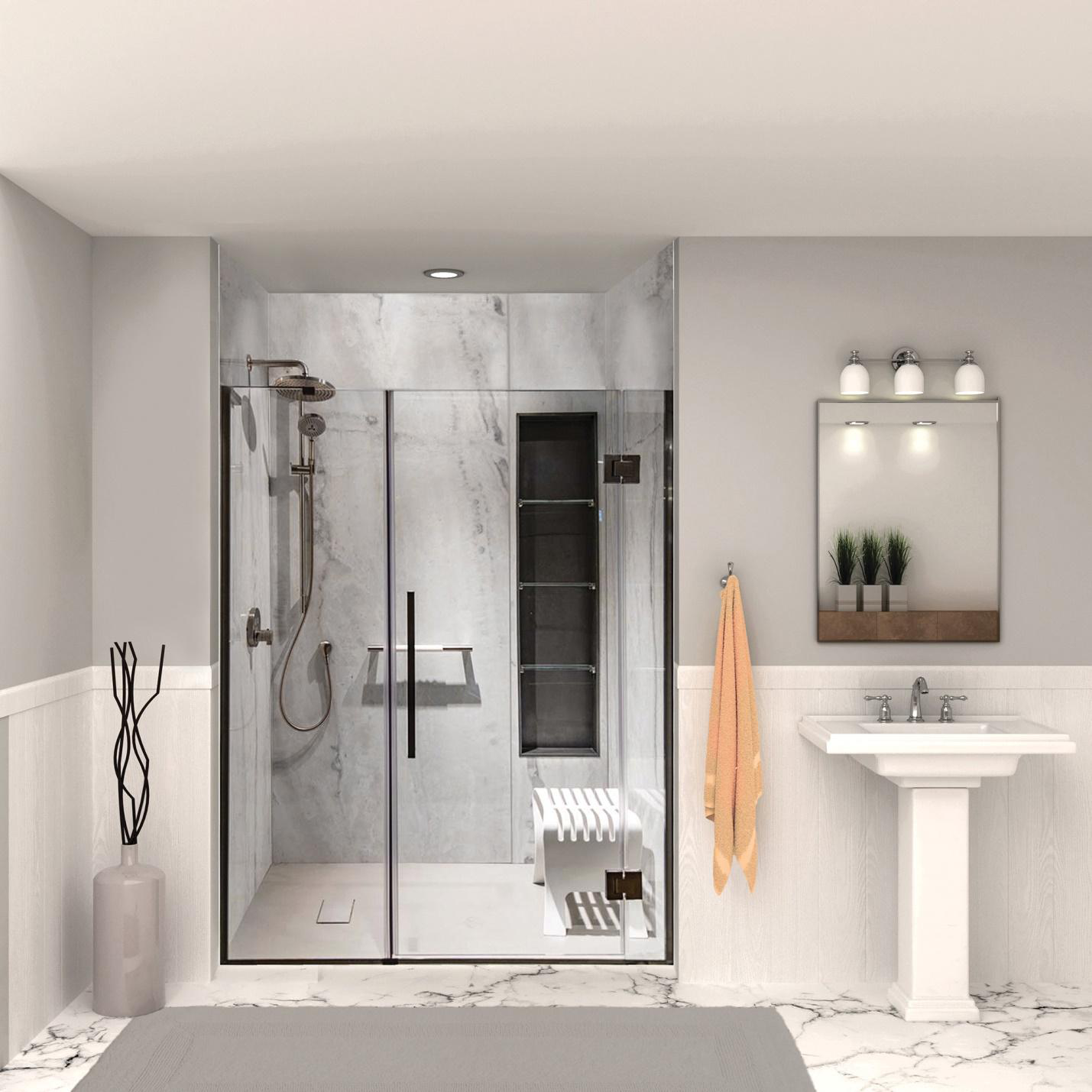
Every household has different needs, which is why understanding available options matters. Some homeowners prefer a bathtub to shower conversion in Fairfield, CT for easier daily use, while others choose walk in tub remodeling in Fairfield, CT for seated bathing support. Both approaches support accessible bathrooms when planned correctly.
Before making a decision, it helps to consider:
- Who will use the bathroom most often
- Current and future mobility needs
- Available space and layout
- Maintenance preferences
Clear planning leads to better results and fewer compromises.
Planning for Long Term Comfort and Usability
Accessible bathrooms are not only about immediate safety. They are also about preparing a home for future needs without repeated renovations. Whether homeowners choose a tub to shower conversion or a walk in tub, thoughtful design supports comfort for years to come.
Small details like floor texture, entry height, and fixture placement often determine how usable a bathroom feels day after day. Addressing these details during remodeling helps avoid future adjustments.
Is Your Bathroom Ready for the Years Ahead?
What would it feel like to use your bathroom with confidence every day? At Bath Replacers, we help homeowners make informed choices that improve safety without sacrificing comfort.
From helping you convert a bathtub to a walk in shower in Fairfield, CT to planning accessible layouts that support daily routines, we focus on practical solutions that last.
If you are considering safer bathing options or want to discuss walk in tubs, showers, and accessibility features, we are ready to help you plan a bathroom that supports your needs now and in the future.
