
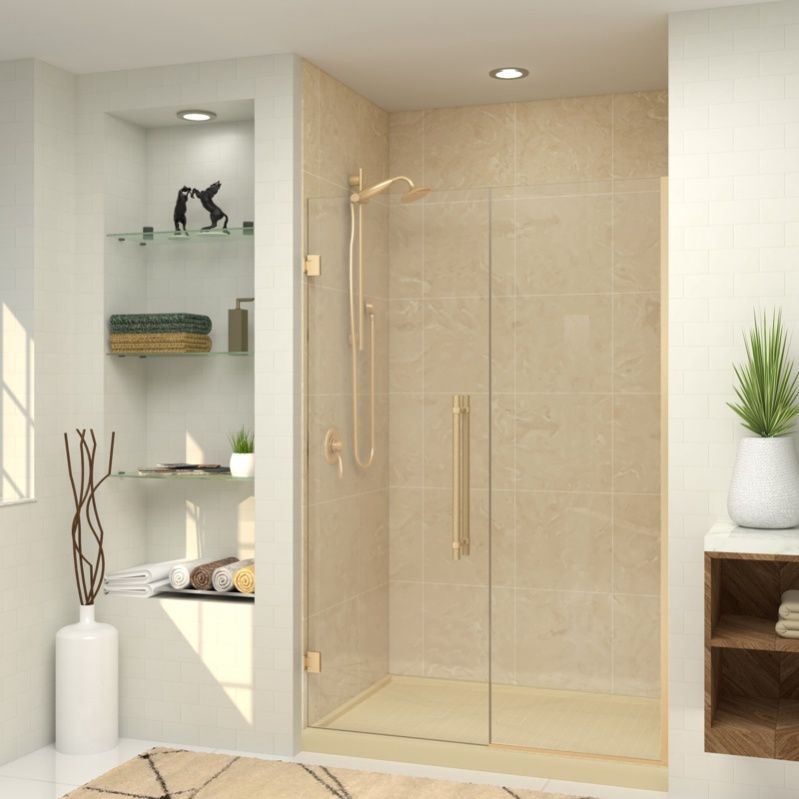
Have you ever wondered why the price range for a tub to shower conversion can vary so widely from one home to another? Many homeowners consider replacing a bathtub with a shower to improve daily comfort, reduce maintenance, or make the space easier to use long term.
Bathroom updates remain one of the most requested remodeling projects because they improve usability without requiring a full home renovation. We often see homeowners underestimate how many variables shape the final price.
At Bath Replacers, we help clients understand where costs come from and how practical decisions can keep a project efficient and well planned.
In this article, we break down the main elements that influence pricing so you know what truly drives your budget from start to finish.
Why Costs Differ From One Bathroom to Another
A tub to shower conversion is not a single, flat service. Each bathroom has its own structure, plumbing layout, and material needs. The existing conditions behind the walls often matter more than what is visible on the surface.
Several factors influence cost from the outset:
- Age and condition of existing plumbing
- Type of bathtub being removed
- Size and layout of the bathroom
- Level of wall and floor preparation required
Understanding these basics helps explain why pricing can shift once demolition begins.
Demolition and Removal Work
Removing a bathtub is often more involved than homeowners expect. Older tubs may be cast iron or built into tiled enclosures that require careful dismantling. Demolition labor increases when surrounding tile, flooring, or drywall must also be removed to access plumbing lines.
Common cost drivers during this stage include:
- Heavy tub materials requiring additional labor
- Disposal fees for debris
- Repairing damage revealed behind walls
While demolition is temporary work, it sets the foundation for everything that follows.
Drainage and Plumbing Adjustments
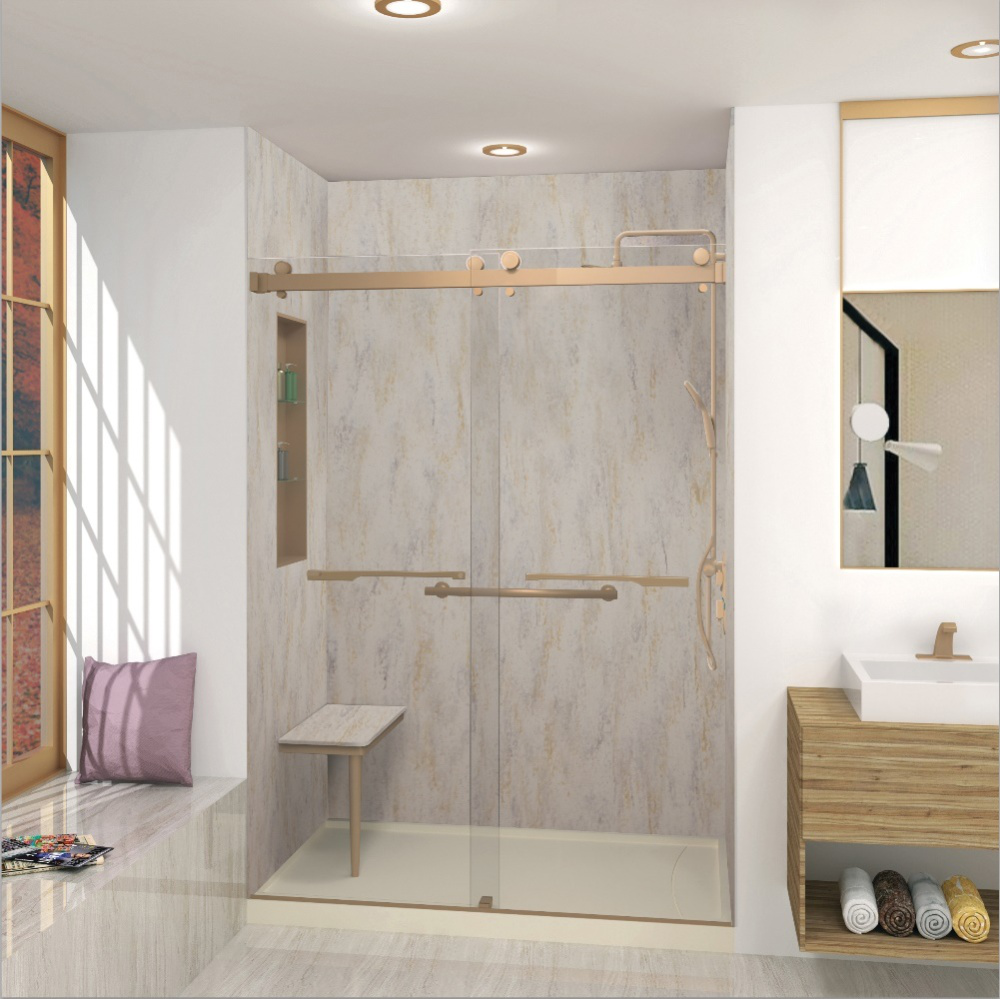
One of the biggest pricing variables comes from drainage changes. Bathtubs and showers do not always share the same drain positioning or slope requirements. When converting a bathtub to a walk in shower, plumbing often needs adjustment to ensure proper water flow and compliance with local standards.
Costs may rise if:
- The drain must be relocated
- Older pipes require replacement
- Water lines need repositioning for new fixtures
These changes are essential for long term performance and cannot be skipped without risking future problems.
Wall Systems and Waterproofing
Shower walls must handle constant moisture, which makes wall systems a major budget consideration. Materials vary widely in price, durability, and maintenance needs. Some systems install faster, while others require more preparation and labor.
Pricing differences often relate to:
- Type of wall panels or tile selected
- Waterproofing layers behind the walls
- Repairs to framing or insulation
Choosing materials that balance durability with ease of care can reduce both installation time and future upkeep.
Flooring and Threshold Adjustments
When removing a tub, the floor underneath may not be finished or level. This area often needs reinforcement, leveling, and new waterproof flooring. Threshold height also matters, especially when homeowners want easier entry.
Floor related costs can increase due to:
- Subfloor repairs
- Non slip flooring materials
- Custom thresholds for improved access
These steps improve safety and comfort while supporting long term use.
Fixture Selection and Layout Choices
Fixtures influence both appearance and pricing. While basic shower fixtures keep costs moderate, design changes can add complexity. Moving controls, adding multiple fixtures, or changing spray styles affects labor and materials.
Budget considerations include:
- Quality and finish of fixtures
- Placement of controls and valves
- Compatibility with existing plumbing
Thoughtful selection helps balance comfort with cost control.
Labor, Timeline, and Project Coordination
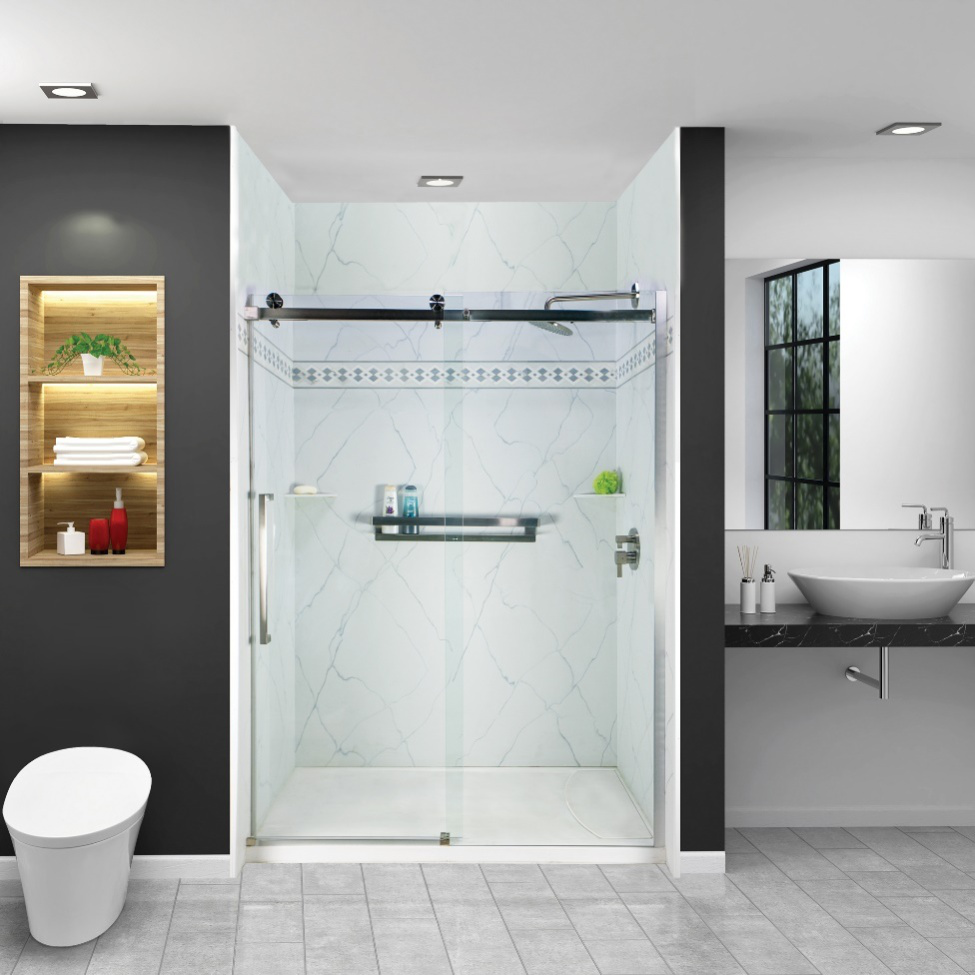
Labor is a significant portion of any bathroom project. Skilled installation ensures that plumbing, waterproofing, and finishes work together properly. Faster timelines may require additional crew coordination, which can influence pricing.
Labor costs reflect:
- Project complexity
- Time required for plumbing and wall systems
- Inspection and compliance steps
Clear planning reduces delays and unexpected expenses.
Local Market Factors and Final Budget Considerations
Material availability and local labor rates also affect pricing. For homeowners considering a bathtub to shower conversion in Port Chester, understanding regional conditions helps set realistic expectations.
Bathroom shower conversions in Port Chester often reflect the age of housing stock and the need for plumbing updates. Whether the goal is to convert a bathtub into a walk in shower in Port Chester or plan broader shower remodeling in Port Chester, knowing these cost factors helps guide smarter decisions.
What Makes a Conversion Worth the Investment?
Is clarity around cost the missing piece holding your project back? A well planned conversion improves daily comfort, reduces cleaning time, and adapts the bathroom to changing needs.
At Bath Replacers, we focus on practical planning, durable materials, and efficient installation so homeowners know what they are paying for and why.
When you contact us, we take the time to assess your space, explain options clearly, and recommend solutions that match your goals without unnecessary additions.
If you are considering a tub to shower conversion and want guidance rooted in experience and transparency, our team is ready to help you move forward with confidence.
