
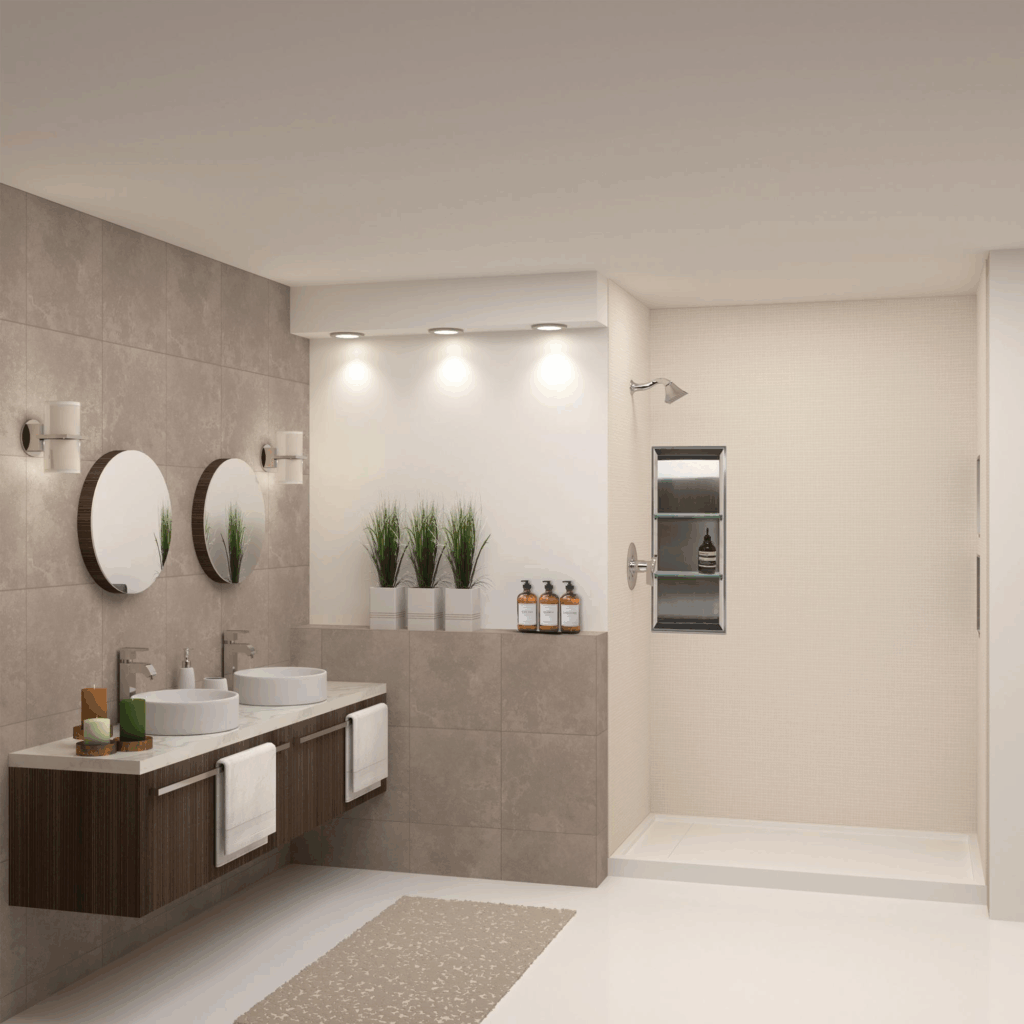
A bathroom that connects seamlessly with a dressing area creates a highly functional environment that supports modern living. Homeowners in Norwalk, Stamford, Stratford, and Fairfield are looking for ways to create spaces that feel elegant, organized, and efficient, and this combined layout is becoming a popular choice. A well-designed integration makes daily routines smoother while increasing both comfort and long-term value. With thoughtful planning, the right materials, and smart storage solutions, this type of upgrade turns a traditional bathroom into an elevated multi functional space that supports wellness and convenience.
Creating an intentional connection between the bathroom and dressing areas requires attention to layout, flow, lighting, privacy solutions, and finishes. These choices determine whether the space feels cohesive and intuitive or cluttered and disjointed. For homeowners exploring a full bathroom remodeling, this approach offers opportunities for improved efficiency without expanding the footprint. It also works well for homeowners considering a bathtub to shower conversion or a more extensive bathroom shower remodel that naturally pairs with built in dressing storage.
This guide outlines the core elements that make integrated bathroom dressing spaces successful, practical, and visually appealing.
Planning a Layout That Supports Daily Routines
Successful integration starts with a layout that reflects how the space will be used. Homeowners often enter the dressing area first before moving into the bathroom, which means traffic flow should be simple and intuitive.
Key layout considerations include:
- Defining zones for bathing, grooming, storage, and dressing
- Ensuring clear walkways that prevent crowding
- Positioning the shower or tub away from clothing storage
- Placing mirrors and lighting where they support grooming tasks
Many homeowners choose an open concept layout that keeps the two spaces visually connected. Others prefer a semi-divided setup using partial walls, glass panels, or sliding doors to maintain privacy while preserving a sense of openness. Either option can align well with goals for space efficiency and comfort.
Choosing the right orientation for fixtures also makes a difference. For example, a tub-to-walk shower conversion can free up valuable square footage that supports a larger dressing area or additional built-in cabinetry. A streamlined shower design often becomes the anchor for the bathroom zone, while the dressing area focuses on organization and lighting.
Creating Storage That Feels Purpose Built
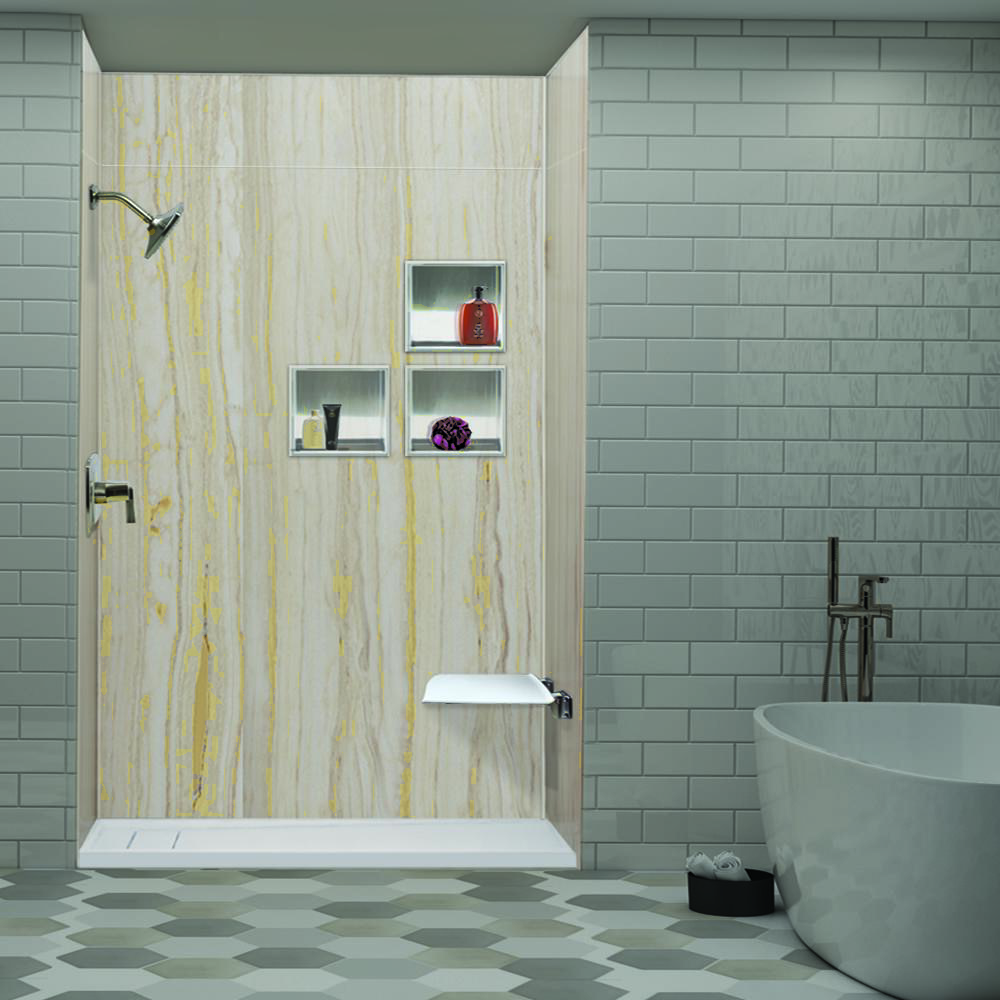
Integrated spaces need thoughtful storage to prevent surfaces from becoming cluttered. Both bathrooms and dressing areas require room for towels, clothing, grooming tools, and personal care products, so each item must have a designated place.
Effective storage strategies include:
- Floor-to-ceiling cabinets that separate bathroom items from wardrobe pieces
- Pull out drawers are ideal for hair tools, skincare products, and jewelry
- Open shelving for display items and folded linens
- Integrated hampers that keep laundry contained and hidden
- Custom closet sections that hold accessories, seasonal items, or daily wardrobe needs
For homeowners with small bathrooms or compact dressing areas, space-saving cabinetry and slim built-ins can dramatically improve efficiency. These solutions help maintain a neat, calm appearance while supporting daily routines.
Homeowners pursuing a bathtub-to-shower remodel often use the remodel as an opportunity to redesign storage systems. Removing a bulky tub or dated vanity frequently opens room for a more organized and visually cohesive layout.
Balancing Privacy and Openness
Shared bathroom dressing spaces benefit from smart privacy elements. While many homeowners prefer an open concept design, certain functional areas, such as the toilet, shower, or tub, require discretion. Solutions that support comfort without breaking visual flow include:
- Frosted or ribbed glass panels
- Pocket doors or sliding barn doors
- Partial walls that shield key areas
- Curtains or textiles that add softness without closing the space completely
These design choices help maintain the airy feeling homeowners want while supporting personal comfort. Privacy features also help couples or families who use the space simultaneously.
Pairing these elements with the right finishes ensures the area remains unified. Flooring, cabinetry, and hardware selections are all opportunities to create harmony between the bathroom and dressing zones.
Choosing Finishes That Bring Both Spaces Together
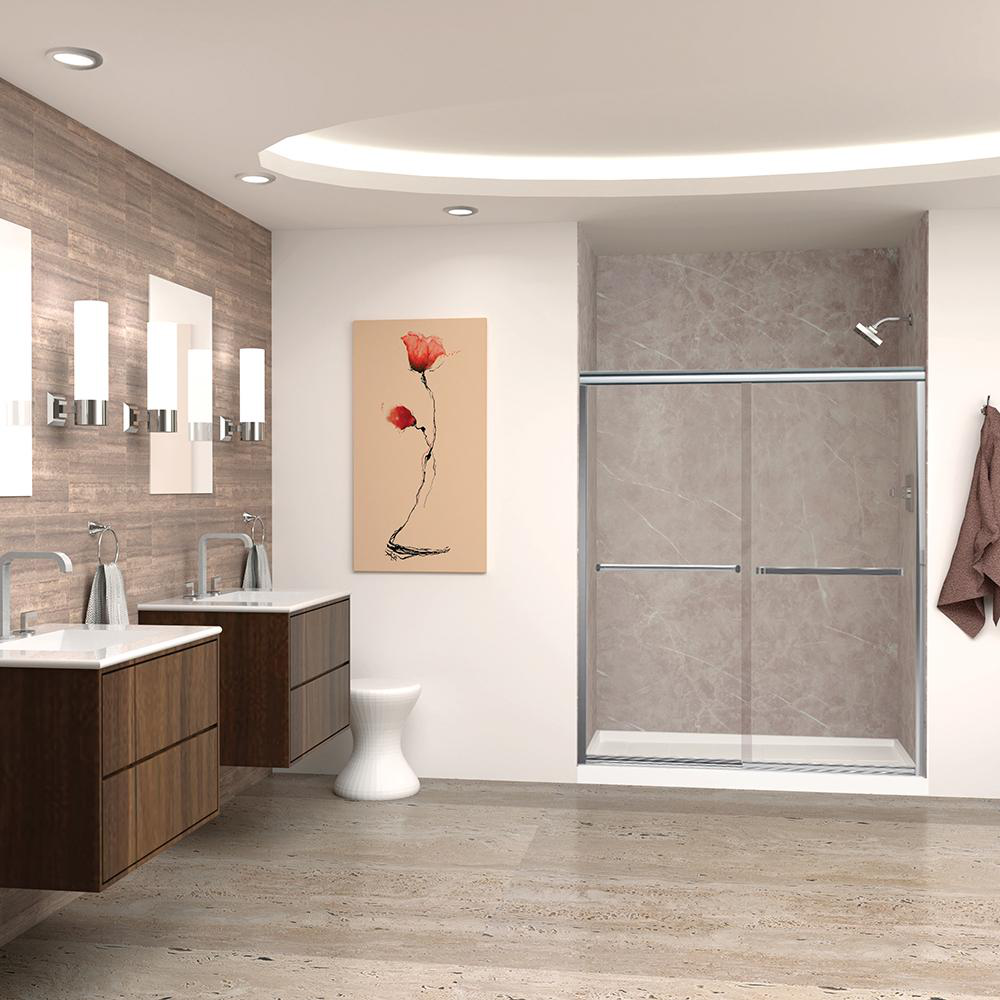
Materials and finishes influence how well the two areas blend. Durable, moisture-resistant options are essential for bathrooms, while the dressing area benefits from materials that provide warmth and sophistication. Selecting finishes that complement each other visually is key.
Popular combinations include:
- Water-resistant luxury vinyl plank flooring that transitions seamlessly between areas
- Matching cabinetry finishes across both spaces
- Coordinated countertop materials for vanities and dressing tables
- Consistent metal tones for hardware and fixtures
- Soft lighting in the dressing area paired with brighter task lighting in the bathroom
Homeowners considering full bathroom remodeling can use this opportunity to refresh the entire connected space instead of treating each area separately. This approach results in a more polished and cohesive design.
Lighting That Enhances Function and Style
Lighting influences both the look and functionality of integrated bathroom spaces. Task lighting is essential for grooming and dressing, while ambient lighting enhances relaxation.
Effective lighting layers include:
- Overhead lights that provide general illumination
- Sconce lighting around mirrors to reduce shadows
- LED strip lights for inside drawers or closet sections
- Dimmable switches that allow mood adjustments
- Natural light through windows or skylights, where possible
Thoughtful lighting transforms the experience of the space and supports daily routines. It also highlights key design features and adds a sense of luxury without requiring major renovations.
How Integration Supports Long-Term Value
Integrated bathroom dressing areas provide long-term benefits for homeowners. These spaces increase efficiency, reduce clutter, and elevate the daily experience of getting ready. They also enhance home appeal, especially for buyers who prioritize convenience and well-planned layouts.
Homeowners also achieve value by selecting durable materials, efficient fixtures, and storage that adapts to changing needs. A thoughtful integration helps ensure that the space remains functional and visually appealing for many years.
Designed for Daily Comfort
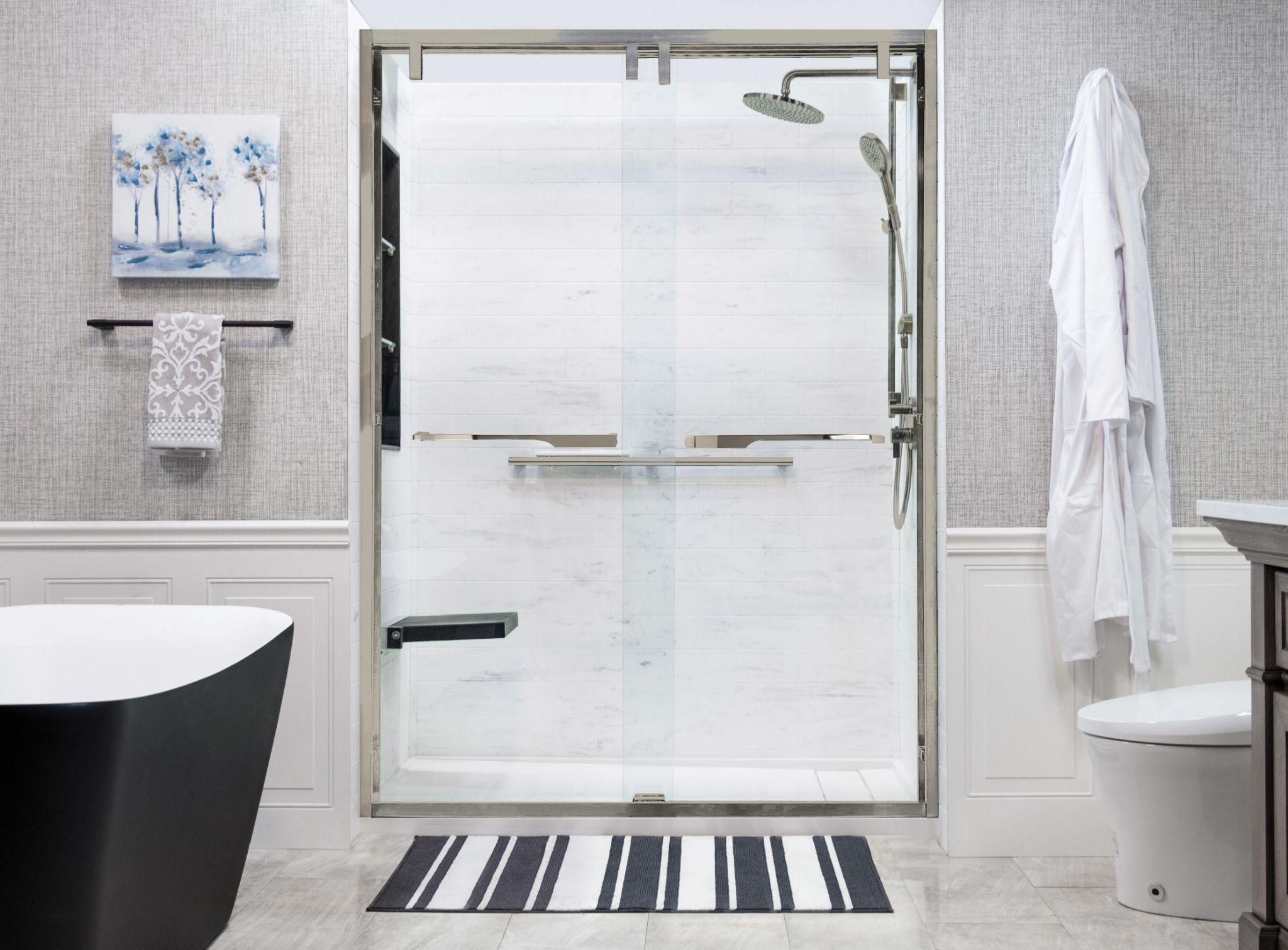
Integrating bathroom and dressing areas creates a streamlined, comfortable environment that supports both routine and relaxation. When planned with intention, these spaces offer organization, efficiency, and a cohesive style that enhances the entire home. At Bath Replacers, our services expand across all bathroom renovations. From bathtub to shower conversions to full remodel projects and layout upgrades that support modern multi-functional design.
Reach out to our team today to explore options that fit your home and vision.
