
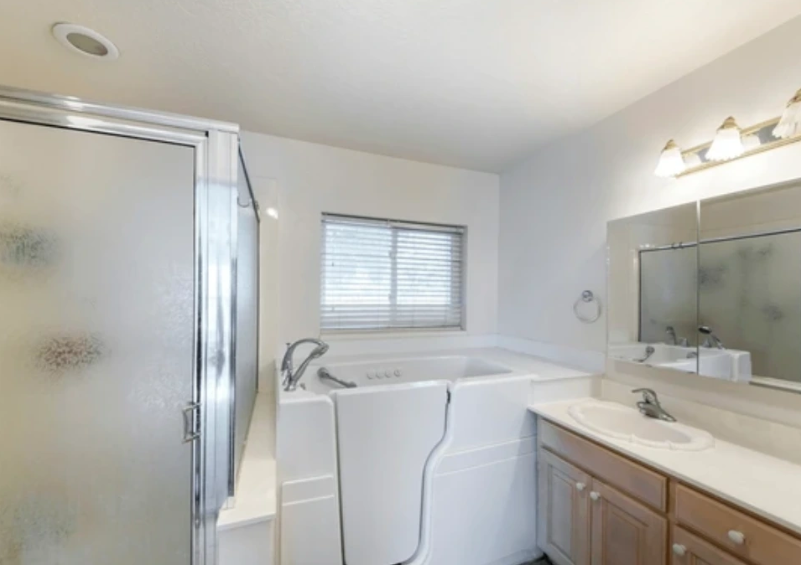
Bathrooms should feel safe, practical, and easy to use at every stage of life. Many homeowners struggle with high tub walls, slippery surfaces, and limited space. Walk-in tub remodeling in Norwalk, CT, solves these problems with thoughtful design and proven safety features. This guide explains how walk-in tubs work, why people choose them, and what to expect during the remodeling process.
What Walk-In Tub Remodeling Really Means
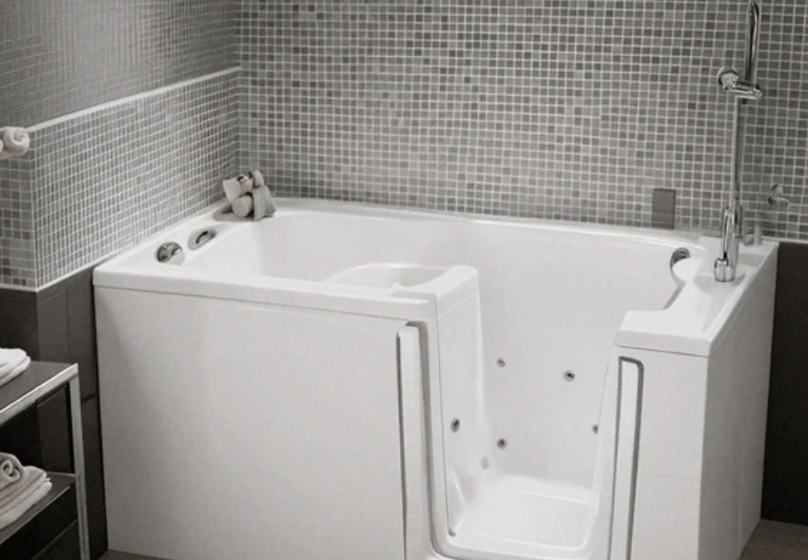
Walk-in tub remodeling replaces a standard bathtub with a tub that includes a door, a low entry threshold, and built-in seating. The design allows users to step in instead of climbing over a tall wall. The tub fills only after the door seals, which keeps water inside and the floors dry.
This remodeling approach focuses on safety, comfort, and usability. Homeowners often combine it with new flooring, wall surrounds, and updated fixtures to create a complete bathroom upgrade.
Why Homeowners Choose Walk-In Tubs
Many people start with safety concerns. Traditional tubs cause slips and falls, especially for older adults or anyone with limited mobility. Walk-in tubs remove that risk by offering a stable entry and a seated bathing position.
Comfort also drives the decision. Built-in seats support the body and reduce strain on knees and hips. Handheld showerheads allow easy rinsing while seated. These features make bathing less tiring and more relaxing.
Long-term planning plays a role as well. Walk-in tub remodeling in Norwalk, CT, helps homeowners prepare their bathrooms for future needs without sacrificing style or function today.
Key Benefits of Walk-In Tub Remodeling
1. Improved Bathroom Safety
Walk-in tubs reduce the risk of falls. Low thresholds, textured floors, and grab bars create a stable environment. These features support users during entry, bathing, and exit.
2. Greater Independence
A walk-in tub allows many people to bathe without assistance. That independence improves confidence and daily comfort.
3. Better Use of Space
Modern walk-in tubs fit within the footprint of a standard bathtub. Remodelers often rework surrounding walls and storage to improve overall layout and flow.
4. Increased Home Appeal
Many buyers value accessible bathrooms. A well-designed walk-in tub can make a home more attractive to a wider range of buyers.
Walk-In Tub Design Options to Consider
Walk-in tubs come in several styles. Each option serves different needs and preferences.
1. Door Styles
Inward-swing doors seal tightly and suit compact spaces. Outward-swing doors offer easier entry for users who need extra room.
2. Seating Types
Contoured seats provide ergonomic support. Some designs include higher seats for easier standing after bathing.
3. Faucet Placement
Side-mounted faucets allow easy reach while seated. This layout reduces twisting and bending.
4. Surround Materials
Wall surrounds made from acrylic or composite materials resist moisture and clean easily. These surfaces also create a polished, finished look.
Walk-In Tub vs. Shower Conversion
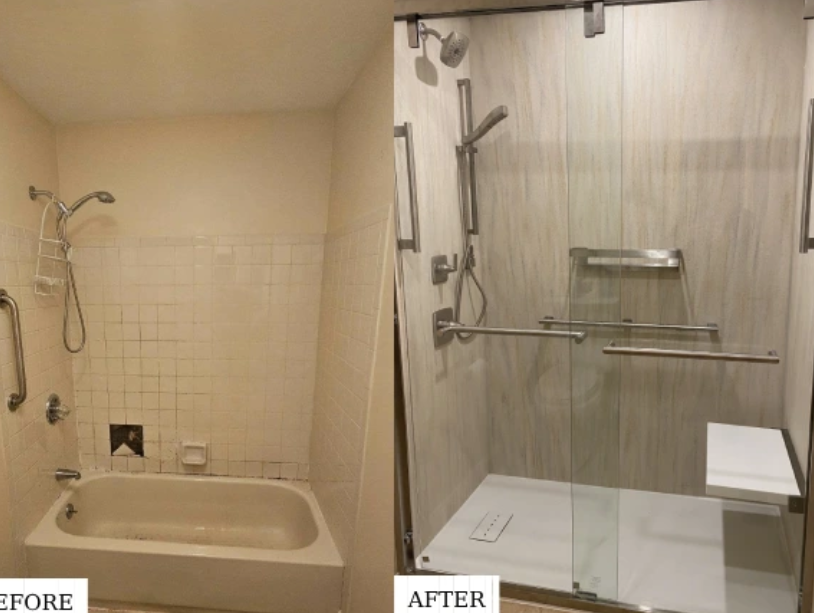
Some homeowners compare walk-in tubs with a tub to walk-in shower conversion in Norwalk, CT. Each option solves different problems.
Walk-in tubs work best for people who prefer soaking and seated bathing. Walk-in showers suit those who want open space and quick access. The right choice depends on mobility, daily routines, and personal comfort.
Many remodelers discuss both options before finalizing a plan. That discussion ensures the bathroom supports current needs and future use.
What the Installation Process Looks Like
Walk-in tub remodeling follows a clear sequence. Most projects move faster than full bathroom renovations.
Step 1: Assessment and Planning
Contractors measure the space, inspect plumbing, and confirm structural support. They also review door swing direction and seating height.
Step 2: Removal of Existing Tub
The crew removes the old tub and prepares the area. This step includes updating plumbing connections when needed.
Step 3: Tub Installation
Installers set the new walk-in tub in place, secure it, and connect water lines. They test the door seal and drainage system.
Step 4: Wall and Floor Finishing
Crews install wall surrounds, trim, and flooring. These updates complete the look and protect against moisture. Most walk-in tub installations finish within a few days. The bathroom remains usable soon after completion.
Who Benefits Most From Walk-In Tub Remodeling
Walk-in tubs serve a wide range of homeowners.
1. Older Adults
Many seniors want to stay in their homes. Walk-in tubs support aging in place by reducing daily risks.
2. People With Limited Mobility
Anyone with joint pain, balance issues, or recovery needs benefits from seated bathing.
3. Caregivers and Families
Caregivers appreciate safer bathing environments. Walk-in tubs reduce physical strain during assistance.
4. Homeowners Planning Ahead
Even without current mobility concerns, many homeowners choose walk-in tubs as a preventive upgrade.
5. Maintenance and Daily Use
Walk-in tubs require simple care. Users should wipe down surfaces after bathing to prevent buildup. Periodic checks of door seals ensure long-term performance. Most models include fast-drain systems. These systems reduce waiting time before exiting the tub, which improves convenience.
Budget and Value Considerations
Walk-in tub remodeling costs vary based on tub style, bathroom size, and finish choices. While the upfront cost may exceed a basic tub replacement, the long-term value often justifies the investment. Safety improvements, comfort, and potential home value gains all contribute to overall return.
Planning for a Successful Remodel
Successful projects start with clear goals. Homeowners should think about who uses the bathroom, how often, and under what conditions. A thoughtful plan leads to better results and fewer surprises.
Walk-in tub remodeling in Norwalk, CT, works best when design choices align with daily habits and long-term needs.
Start Your Bathroom Upgrade With Confidence
At Bath Replacers, we help homeowners create safer, more comfortable bathrooms that fit real life. We focus on quality materials, efficient installation, and clear communication. If you want to explore walk-in tub options or discuss tub to walk-in shower conversion in Norwalk, CT, we are ready to help. Contact us today and take the first step toward a bathroom that works for you.
